Comprehensive Construction Services for Every Project
Extensive construction services are essential for the proper handling of any construction initiative. They facilitate seamless integration across all phases, guaranteeing clear communication and collaboration among units. This strategy not only reduces delays but also strengthens compliance with budgets and timelines. As stakeholders seek higher quality outcomes, comprehending the various services available becomes increasingly critical. What specific elements support a project's achievement, and how can they be successfully executed?
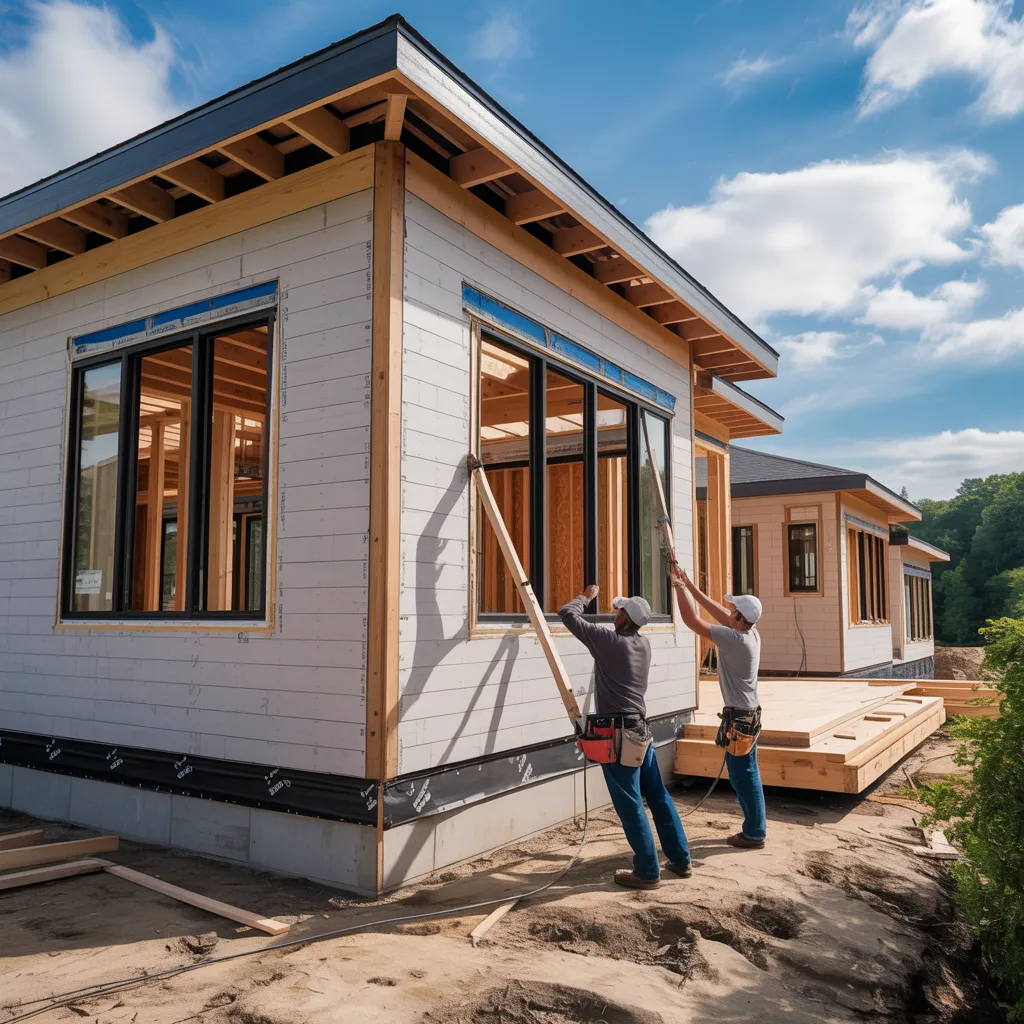
Why Detailed Building Solutions Are Fundamental
Comprehensive construction services are vital because they streamline the construction workflow, ensuring that all project phases are integrated effectively. These services cover a spectrum of operations, including planning, design, and execution, which contribute to the project achievement of your project. By coordinating various teams and resources, comprehensive building solutions minimize the likelihood of errors and postponements.
Moreover, they promote adherence to timelines and budgets, addressing potential issues in advance. This level of organization creates a collaborative environment, allowing stakeholders to communicate openly and efficiently.
Additionally, extensive services ensure adherence with local regulations and safety standards, decreasing risks linked with construction activities. Overall, the incorporation of thorough construction services improves project quality, resulting in durable and sustainable outcomes. In an industry where precision matters, such services deliver the necessary framework for achieving client satisfaction and meeting project goals.
Fundamental Building Offerings for Residents
Homeowners wanting to upgrade their living spaces can reap significant benefits from crucial construction services customized for their specific needs. These services cover a selection of offerings, comprising remodeling, renovations, and repairs, which allow homeowners to change outdated areas into up-to-date, efficient spaces. Kitchen and bathroom remodels often yield considerable returns on investment, enhancing both aesthetics and utility.
Furthermore, outside services such as roofing and siding repairs guarantee the home remains secure and visually attractive. Garden upgrades and outdoor living enhancements produce inviting settings for leisure and socializing.
Homeowners can gain from eco-friendly improvements, which decrease utility costs while advancing sustainability. By hiring skilled professionals, homeowners can handle the complexities of construction projects with ease, securing adherence to local regulations and timelines. Overall, these key resources enable homeowners to achieve their visions, ultimately raising property value and quality of life.
Key Offerings for Commercial Construction
The commercial construction industry relies upon expert project management and reliable material sourcing as important drivers. These offerings promise that projects are completed on time and within budget while maintaining high standards. Appreciating their importance can result in more successful construction outcomes.
Project Management Proficiency
Throughout the traversal of commercial construction complexities, competent project management capabilities becomes essential to accomplish timely delivery and spending control. Accomplished project managers function in directing different aspects of a construction project, including scheduling plans, resource allocation, and team coordination with stakeholders. They employ advanced methodologies to prevent risks and act now modify to sudden changes, confirming that projects remain on track. By using technology and performance data, project managers can improve planning outcomes, strengthening speed to market and productivity. In addition, their skill in promoting cooperation among contractors, architects, and clients is indispensable for bringing alignment and achieving project goals. At the end of the day, strong project management expertise serves as the backbone of flourishing commercial construction endeavors, moving projects from conception to completion with meticulous care.
Excellent Material Sourcing
Quality sourcing of materials constitutes a crucial dimension in the sphere of commercial construction, directly influencing project resilience and overall success. Efficient sourcing encompasses picking superior-grade materials that address specific project requirements while adhering to budget constraints. This endeavor often entails establishing strong bonds with trustworthy suppliers to assure timely arrival and consistency in quality. Moreover, familiarity with local regulations and green practices proves essential in sourcing decisions. By stressing quality materials, construction organizations can enhance structural integrity and cut long-term maintenance costs. All in all, emphasis on quality material sourcing not only supports a project's immediate goals but also boosts its longevity and resilience in a competitive market.
Determining the Greatest Construction Services for Your Project?
When picking building contractors, it is vital to set project specifications explicitly to ensure conformity with objectives. Evaluating the proficiency of potential service providers additionally enhances the likelihood of a successful outcome. Thorough review of these factors can yield a more productive and streamlined construction process.
Set Project Requirements in Explicit Terms
Properly articulating scope details is critical for determining the most fitting construction services. This entails specifying particular goals, timelines, budgets, and necessary resources. A well-defined scope of work helps guarantee that every stakeholder understand shared expectations. Moreover, documenting regulatory requirements or site-specific conditions can help prevent potential disruptions and miscommunication during construction. By establishing defined criteria at the beginning, construction managers can relay their needs clearly to prospects, enabling more informed choices. At the end of the day, meticulous documentation of project specifications simplifies the selection process and creates a foundation for successful execution and reduces the likelihood of expensive modifications down the road.
Assess Service Provider Proficiency
How can project managers ensure they choose the most qualified building contractors? Assessing the expertise of potential contractors is critical. This process begins with examining each contractor's body of work, which showcases past projects and relevant experience. Construction leaders should also verify licenses, certifications, and insurance to validate compliance with industry standards. Collecting references and customer feedback can provide understanding into a provider's dependability and workmanship. Furthermore, conducting consultations allows construction leaders to evaluate communication skills and comprehension of assignment requirements. Analyzing proposals not only on cost but also on scale, schedules, and standards can further assist in selection. Ultimately, a thorough assessment of contractor expertise establishes the foundation for successful project execution and fulfillment.
Optimizing Your Building Project Effectively
Accomplishing productivity in construction projects necessitates adopting a organized plan that decreases delays and enhances resource allocation. Effective communication among team members is crucial, ensuring that everyone remains coordinated with project goals and timelines. Using project management software can streamline workflows, allowing for immediate feedback and task tracking.
Moreover, applying a phased approach permits teams to hone in on targeted project phases, lowering the probability of overlapping tasks that can cause bewilderment. Regular progress assessments and adjustments based on performance benchmarks facilitate identifying emerging obstacles ahead of time.
Setting clear roles and responsibilities encourages accountability, motivating teams to meet deadlines without sacrificing quality. Furthermore, undertaking proactive risk management readies teams for unpredictable challenges, enabling swift responses that keep projects on track. By weaving in these strategies, construction projects can achieve substantial efficiency, reducing costs and boosting overall outcomes.
Developing Your Building Initiative to Be Sustainable and Excellent
Promoting sustainable practices in construction not only enhances quality outcomes but also reduces environmental consequences. By implementing sustainable materials and techniques, building contractors can dramatically reduce waste and energy consumption. This approach not only satisfies legal compliance standards but also appeals to environmentally conscious consumers.
Employing green materials, such as bamboo or recycled metals, advances durability while cutting carbon footprints. Additionally, deploying sustainable energy solutions, like solar panels and advanced insulation, delivers prolonged cost advantages and improved building performance.
Collaboration with green-certified experts considerably boosts achievement levels, verifying alignment with sustainability benchmarks.
Additionally, developing a waste management plan during the construction timeline can streamline processes, reducing costs and environmental harm.
In the final analysis, a focus on environmental sustainability in construction nurtures high-quality projects that influence both stakeholders and the community, cementing a legacy of conscientious building practices. Such commitment not only advances the reputation of construction firms but also enhances a healthier planet.
Often Posed Questions
What Timeframes are Typical for Construction Initiatives?
Standard timelines for building endeavors vary widely, usually lasting from a few months to several years. Aspects determining duration include magnitude, complexity, permitting processes, weather conditions, and accessibility of resources, impacting overall completion time.
How Do I Manage Unexpected Construction Setbacks?
To handle unexpected construction delays, one should evaluate the circumstances, engage with relevant parties, modify schedules, and investigate alternatives. Flexibility and proactive planning can mitigate impacts and keep the project on track despite challenges.
What Authorizations Are Required for Building Projects?
Building projects call for multiple licenses, comprising structural, power, water, and zoning permits. The exact requirements depend upon local regulations, undertaking scale, and geographic area, requiring consultation with municipal officials for regulatory adherence and expert direction.
What Methods Are Used to Administer Project Budgeting Across Building Projects?
Project budgeting is supervised through regular assessment of expenses, adapting forecasts based on true costs, and maintaining communication among stakeholders. This guarantees alignment with financial goals and swift identification of potential overruns or savings.
What Safety Guidelines Are Deployed on Development Sites?
Construction sites adopt assorted safety measures, including regular safety training, use of safety equipment, distinct markings, site inspections, emergency protocols, and adherence to regulations to minimize risks and guarantee the well-being of personnel.
Comments on “East Bay Retrofit Construction: Experienced Foundation and Structural Reinforcement Contractors for Commercial Building Owners”